

For years, companies have relied on traditional employee benefits such as health insurance, gift vouchers, store discounts, and tax breaks as tools to motivate and retain talent. However, current data in Europe shows a clear reality: these benefits are not generating real engagement..
The problem is not the absence of benefits. The problem is the lack of emotional, social, and experiential connection between people and organisations.

Europe: the region with the lowest work engagement in the world
According to Gallup’s international State of the Global Workplace report, Europe ranks as the region with the lowest level of engagement on the planet.
(1)Only around 13% of European workers say they feel truly committed to their company and their work. (2) This data is neither isolated nor a one-off. Various European media outlets and analyses confirm the same trend: Europe ranks last in global engagement, with only 13% of employees considering themselves ‘highly involved and enthusiastic’. (3) The data by country is even more revealing. Here is the ranking of countries with critical levels of engagement:
- 🇫🇷 France: 8 %
- 🇨🇭 Switzerland: 8 %
- 🇪🇸 Spain: 9 %
- 🇬🇧 United Kingdom: 10 %
- 🇭🇷 Croatia: 7 %
Therefore, more than 85–90% of European workers do not feel truly connected to their company.
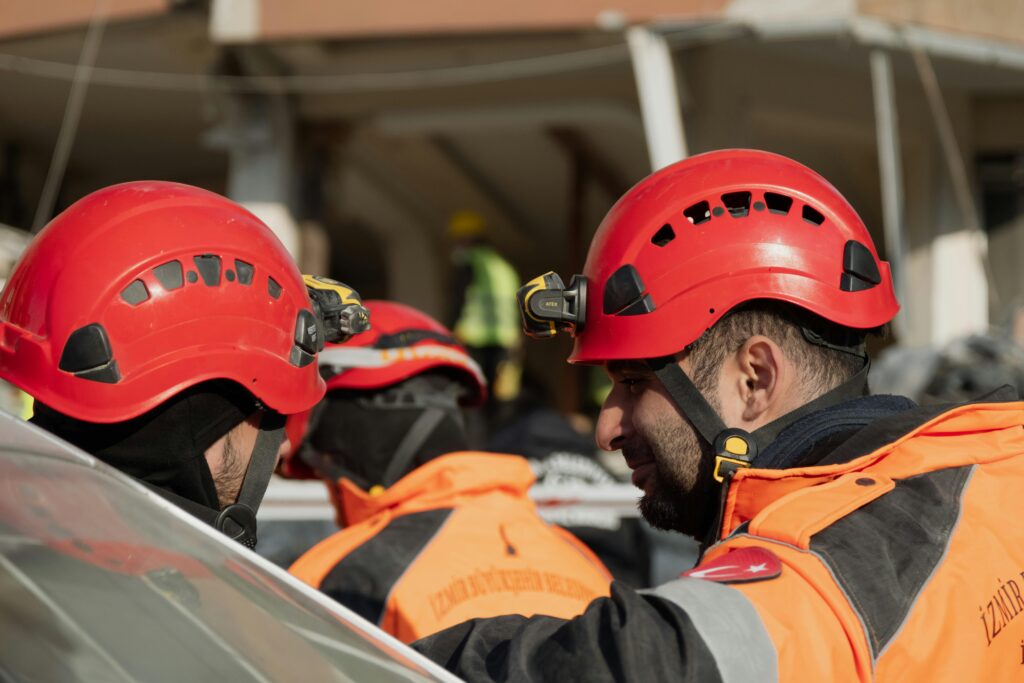
The problem is not the lack of benefits. It is the type of benefits.
Many European companies already offer health insurance, meal vouchers or petrol vouchers, discounts at shops, tax benefits, corporate wellness plans, and yet engagement remains low. Why? Because these benefits are:
❌ Transactional
❌ Passive
❌ Individual
❌ Unemotional
❌ Do not generate community
❌ Do not create shared experiences
They are useful, yes. But they do not generate belonging, identity or real connection.
Europe: high personal well-being, low work engagement
A key piece of data reinforces this contradiction: in several comparative studies, European workers show a good overall quality of life, but low enthusiasm and commitment to work(4). This demonstrates something fundamental: economic well-being does not guarantee professional engagement. Engagement stems from:
- The human connection
- The sense of belonging
- The shared experience
- Personal growth
- Relationships between people
- The integration of personal, family and professional life
Low engagement is not just a cultural problem. It is a business problem that generates costs:
- Low engagement is not just a cultural problem. It is a business problem that generates costs:
- Higher turnover
- lower innovation levels
- Higher absenteeism
- Loss of talent
- Decline in the work environment
- Emotional detachment from the company
Companies with low engagement not only lose people: they lose culture, competitiveness, and their future.
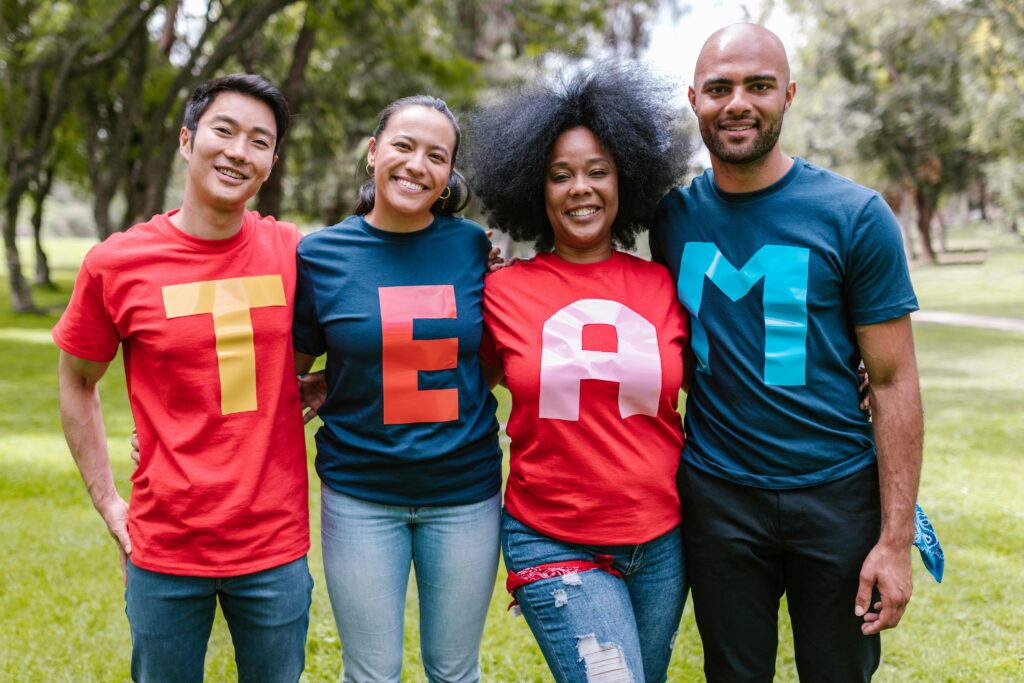
The new generation of employee benefits: dothegap Employees
This is where a new model of corporate social benefit is born. Not based on discounts. Not based on tax advantages. Not based on products, but on real human experiences. It is about taking advantage of the company’s multinational environment to create community and break down all kinds of barriers. Building a single company, transmitting values and culture, and making employees feel part of a family. dothegap Employees: a platform that allows employees and families of a multinational company to connect privately to organize all kinds of cultural exchange and sports activities.
The platform offers five types of communities so that this social benefit reaches all employees.
1.- Family
Contact between families with children of similar ages to organize family-to-family cultural exchanges, creating cultural, educational, and human bonds based on coexistence, learning, and intercultural respect.
2.- Host Family
Families who open their homes to host foreign children, young people, or students, facilitating their cultural, linguistic, and social integration through daily coexistence, family support, and direct intercultural experience.
3.- Au Pair
Cultural exchange in which young people live with families in other countries, combining family support with language learning, personal development, and cultural immersion.
4.- Connection between professionals
Human relationships that go beyond work, based on common interests, shared experiences, and personal growth: Language practice, trip planning, networking, sharing hobbies and interests.
5.- Sports
Meeting places that promote health, community, and social connection through shared experiences: Sports events, shared activities, community building, healthy social relationships.
This model generates real engagement because it acts on what truly connects people:
✅ Human relationships
✅ Shared experiences
✅ Personal growth
✅ Family development
✅ Social identity
✅ Community
✅ Belonging
✅ Life experience
✅ Emotional connection to the company
The company ceases to be a workplace. It becomes a facilitator of life experiences.

Conclusion
Europe has one of the biggest workplace engagement problems in the world. The data confirms it. Reports back it up. The figures are clear.
Traditional benefits are no longer enough. The future of employee engagement does not lie in more discounts, more checks, more insurance, or more tax breaks. It lies in creating real human experiences that connect people to the company through their lives, their families, their development, and their relationships.
dohegap Employees is not just another social benefit; it is a paradigm shift:
From benefits → to experiences
From discounts → to relationships
From incentives → to community
From employees → to people
And that, today, is the only thing that truly generates sustainable engagement. For more information, write to us at: hello@dothegap.com
(2)Source: Euronews
https://www.euronews.com/next/2024/02/13/how-do-europeans-compare-globally-on-employee-engagement
(3)Source: European Cleaning Journal (análisis del informe Gallup)
https://www.europeancleaningjournal.com/magazine/articles/special-features/europe-has-least-engaged-workers
(4)Source: Euronews
https://www.euronews.com/next/2024/02/13/how-do-europeans-compare-globally-on-employee-engagement